
Validator
Article 14 draft validation, the ISO/TS 15066 separation calculator, manifest diff, advisory check, Declaration check, bundle re-verification, and attestation verification.
Start freeCRA Article 14 gives you 24 hours to file after an actively exploited vulnerability. Machinery Regulation Annex III 1.1.9 requires you to identify safety-relevant software and record evidence of intervention. Neither is satisfiable from a spreadsheet. This is built from the record instead.

Your ledger, your disk. No account, no API key, no upload. The run arms a guard over the process's socket layer and refuses every outbound connection, including name resolution.
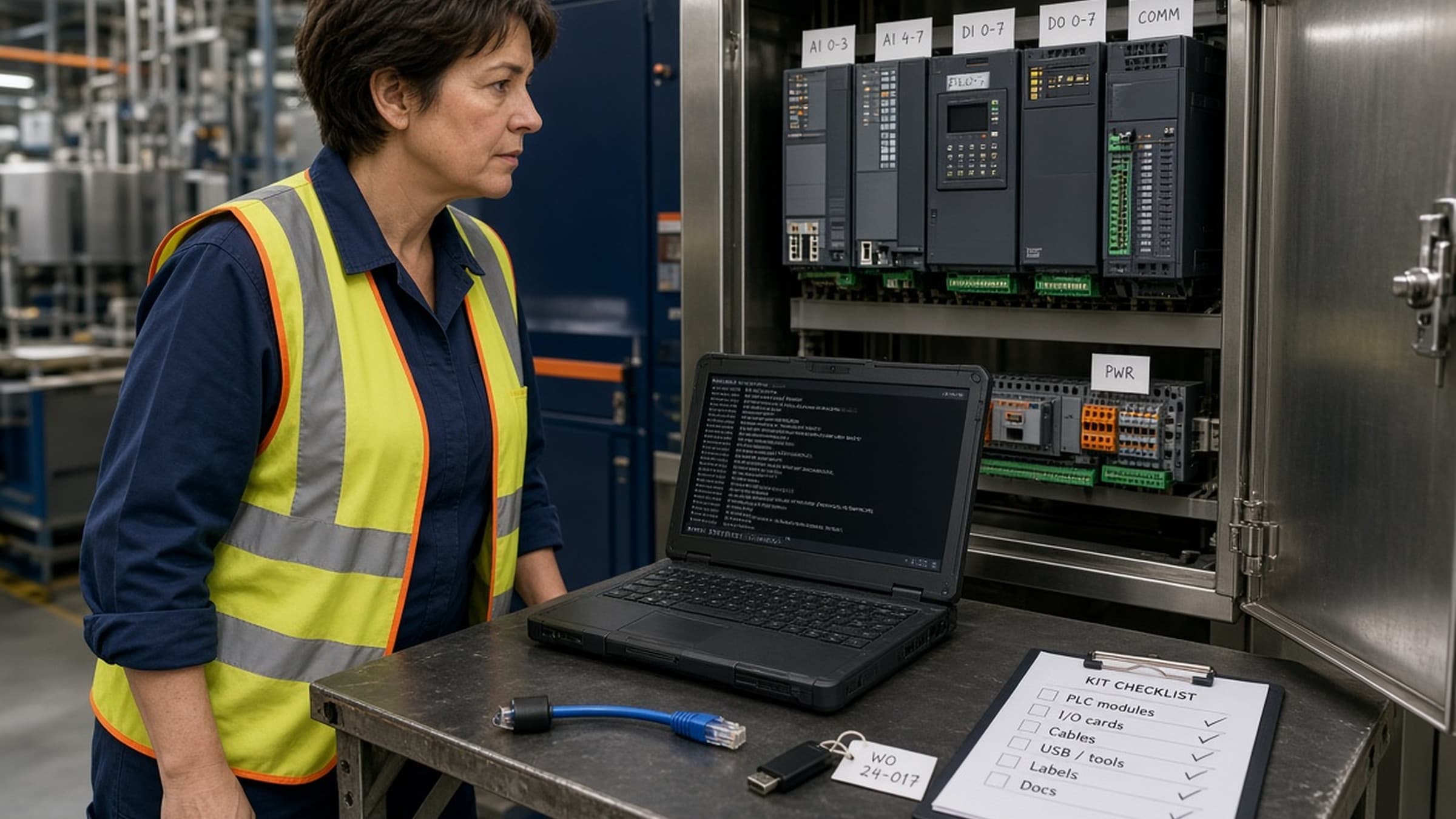

No account, no API key, no upload. kit check lists every file a run would open and touches nothing — the run arms a guard over the process's socket layer and refuses every outbound connection, including name resolution.

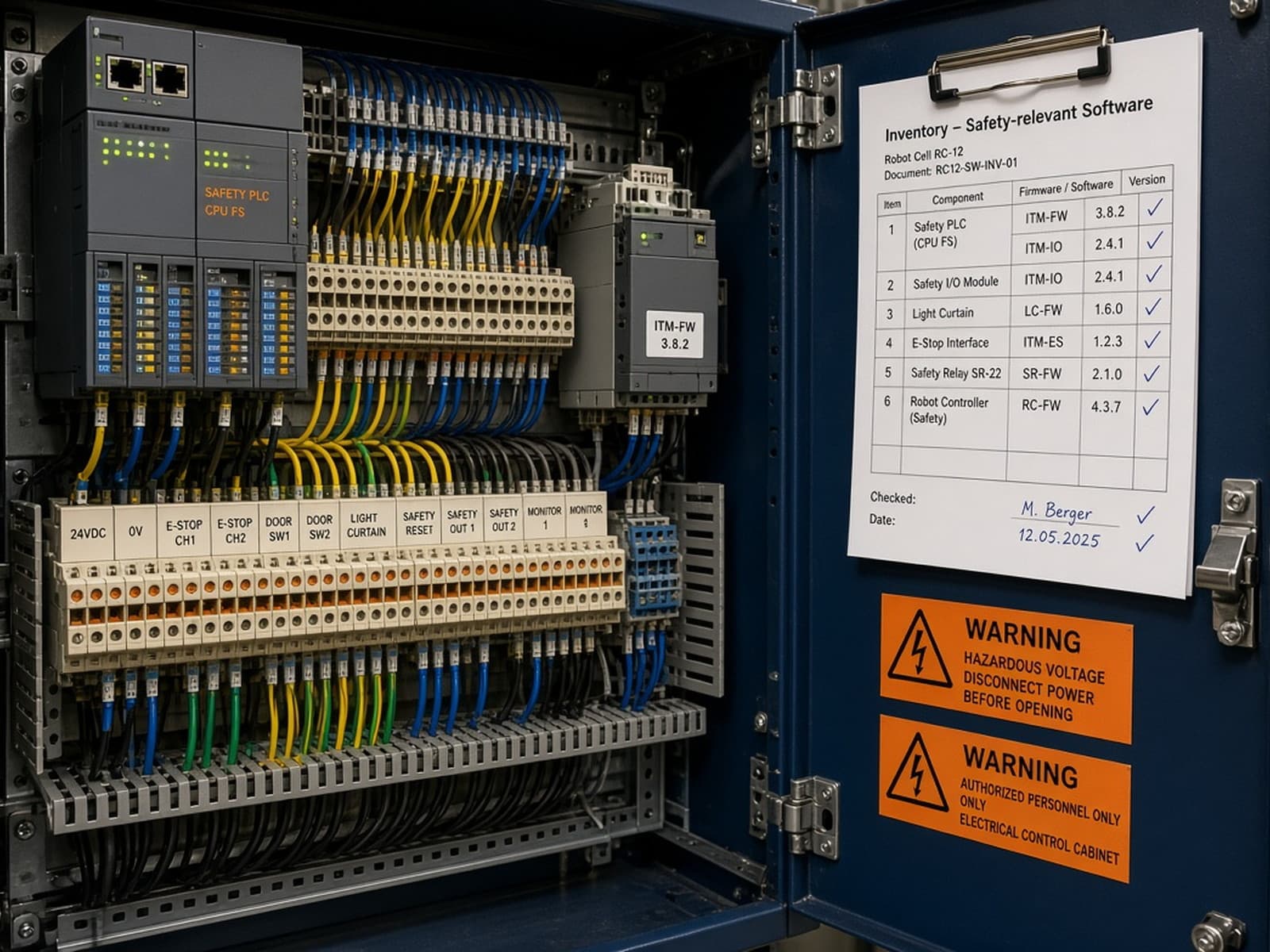

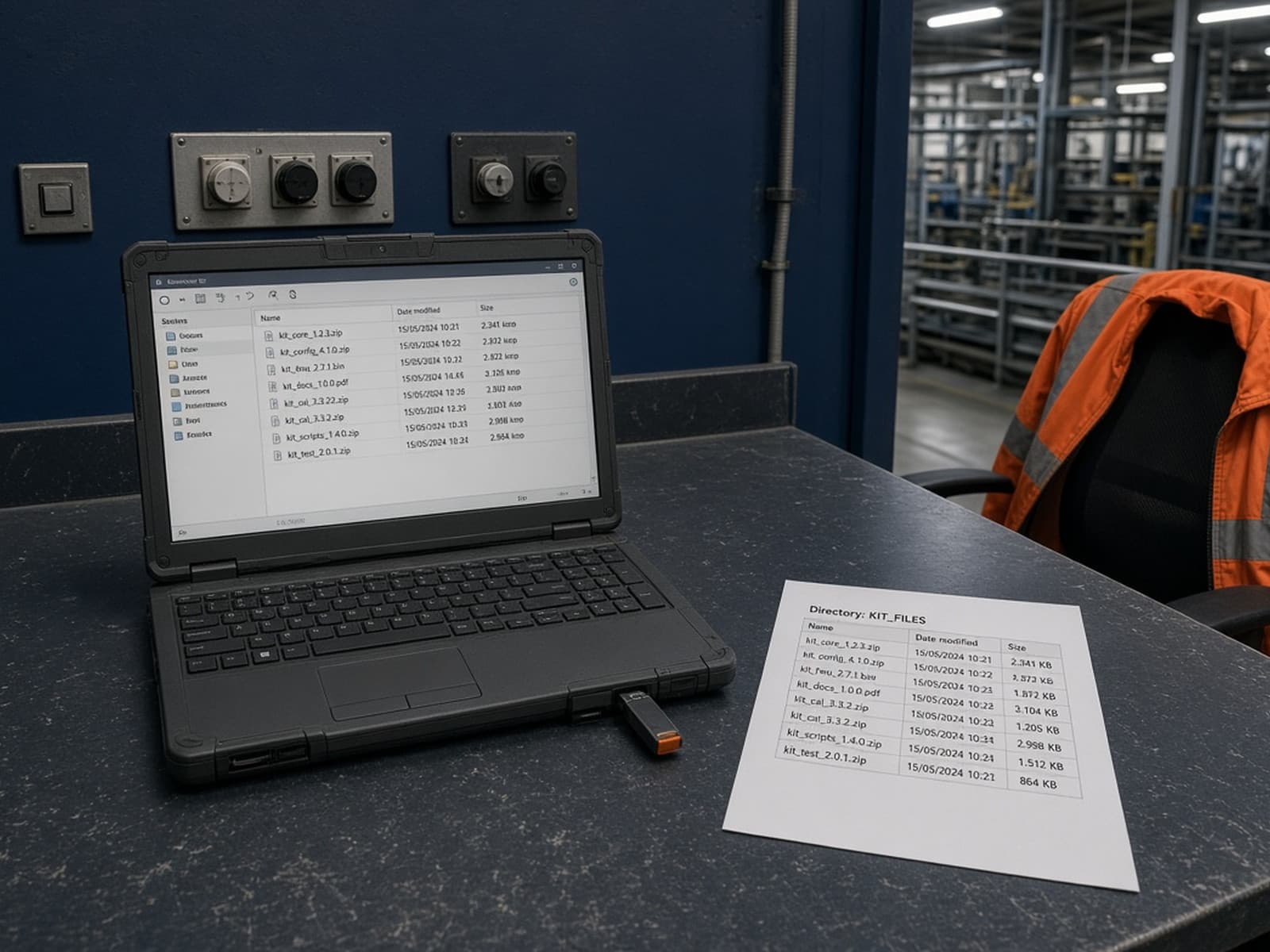
Every answer below is a real terminal capture from this exact codebase — not a mockup.

One advisory, fanned out to every enrolled serial — confirmed, not guessed.
$ assurance fleet advisory advisory-CTRL-2026-11.json --ledger register.db
This is the question the whole system exists to answer. Paste a supplier advisory and one machine's manifest below and run the real check — the same match logic that decides whether a hash is byte-identical, a version label is only a label, or the two disagree and neither column gets to claim this machine. An explicit verdict, never collapsed to safe-or-not: no impact found, potentially affected, or needs a human to look.
This endpoint is not hosted publicly yet — click Run to see exactly what that means and how to run it yourself.
This calls the real POST /v1/check/machine endpoint on one machine, free, no account. Enrolling the machine unlocks POST /v1/check/fleet-machine: the same check joined to its intervention history, its evidence staleness, and the fleet-wide fan-out across every other enrolled machine — the Cell plan.
Every row below maps to code that runs. Nothing on this page is listed that the software does not do. Engine tiles link to the buyer-facing guide for that engine; plan tiles link to pricing.
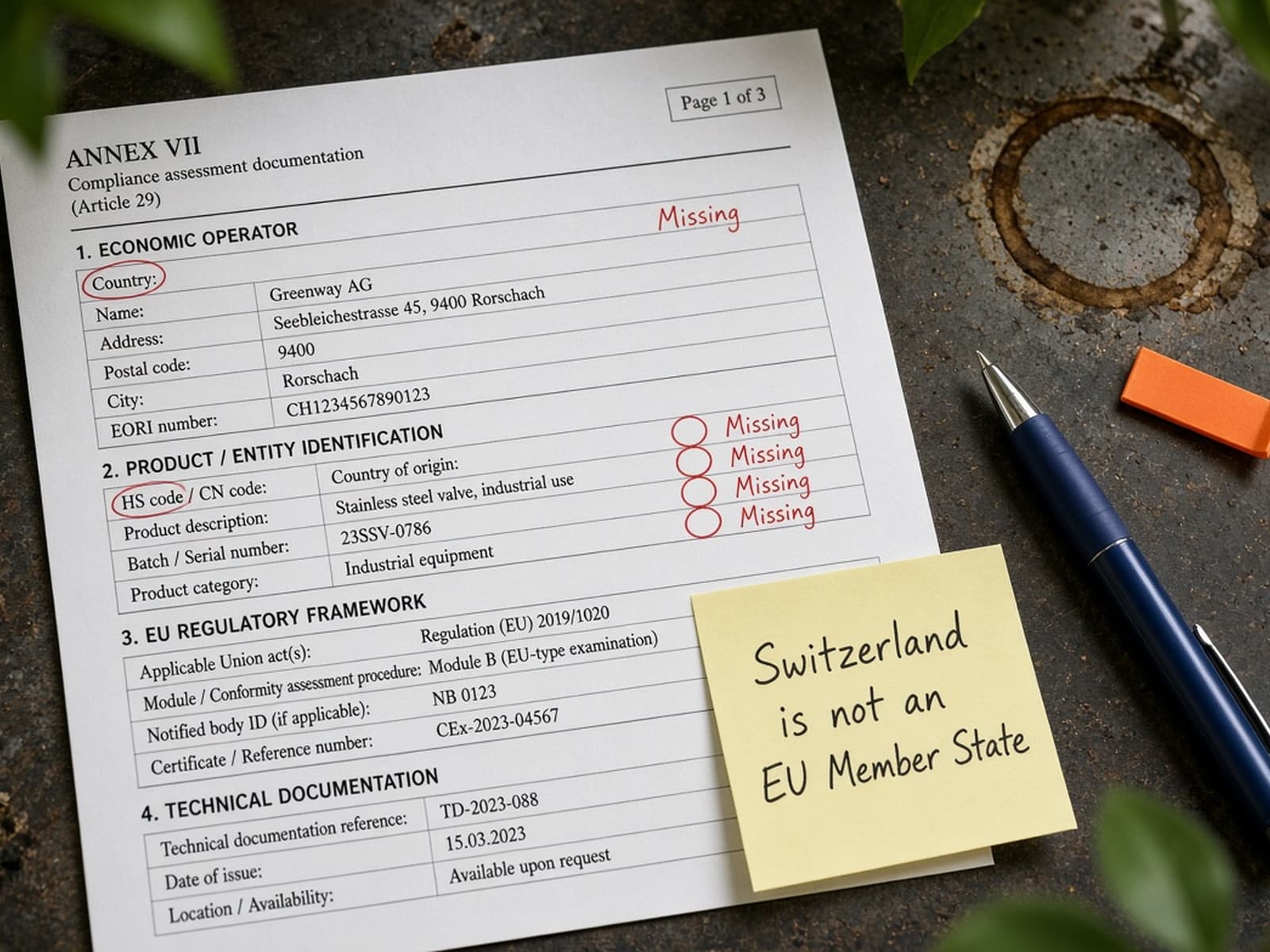
This endpoint is not hosted publicly yet — click Validate to see exactly what that means and how to run it yourself.
This calls the real POST /v1/spec/validate endpoint. A prior run against this exact service flagged five missing required fields and that Switzerland is not an EU Member State — a live regulatory check, not a mockup. See the pricing section for whether this route is hosted publicly right now.
Article 14 draft validation, the ISO/TS 15066 separation calculator, manifest diff, advisory check, Declaration check, bundle re-verification, and attestation verification.
Start free
The CRA register for one manufacturer: unlimited cases, both deadline clocks computed correctly, hash-chained ledger with verifiable export, 25 product families.
See pricing
Everything in Register, plus machine safety verification, Annex III manifests and passports, fleet advisory fan-out, and counter-signed head attestation.
See pricing
A recorded run checked against the declared safety envelope — separation, speed limit, workspace containment, stop characterisation, power-and-force — each with a worst margin, each able to answer unchecked.
Read the engine guide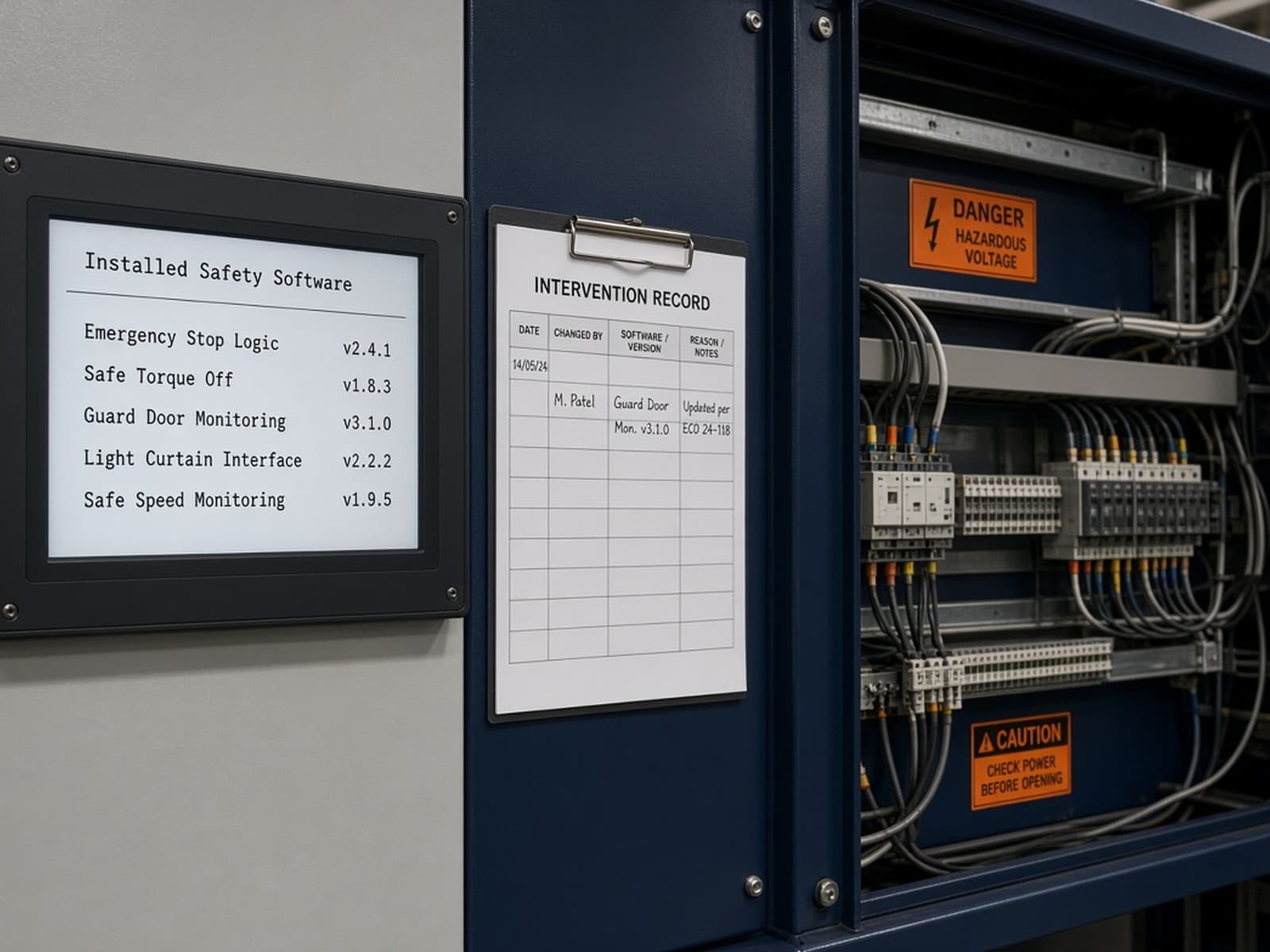
What safety software is on the machine, who changed it, and which safety functions still have evidence that describes the machine as it is today.
Read the engine guide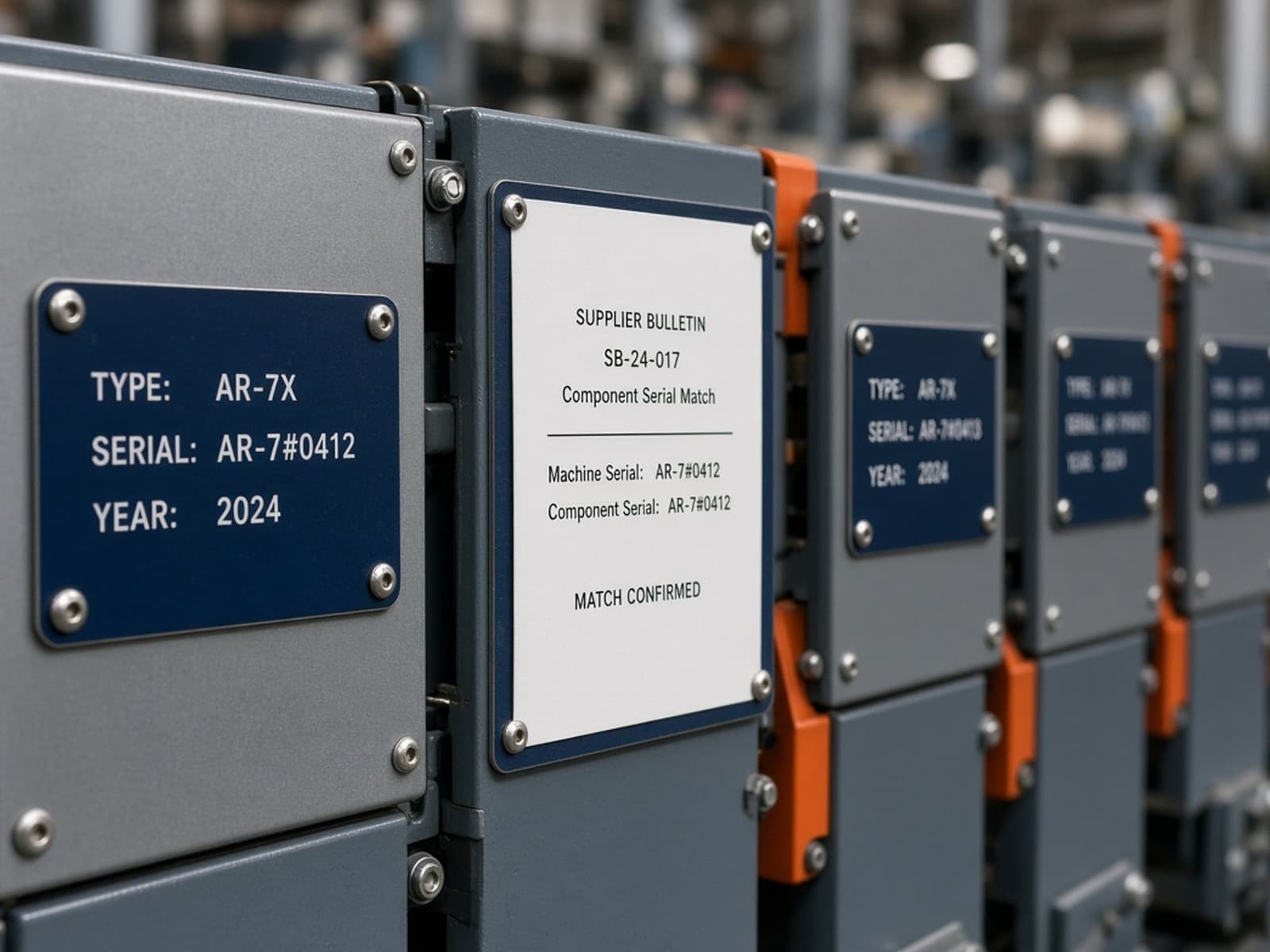
One supplier advisory fanned out across every enrolled serial, matched by hash, then version, then name — never by version-range arithmetic, never flattened into a boolean.
Read the engine guide
The component that runs when nobody is looking. Exit 0 quiet, 1 findings, 2 could not see — "I could not look" never shares an exit code with "nothing moved".
Read the engine guide
A signature over the ledger head by a key the ledger’s operator does not hold. Only this catches a ledger that was quietly shortened.
Read the engine guide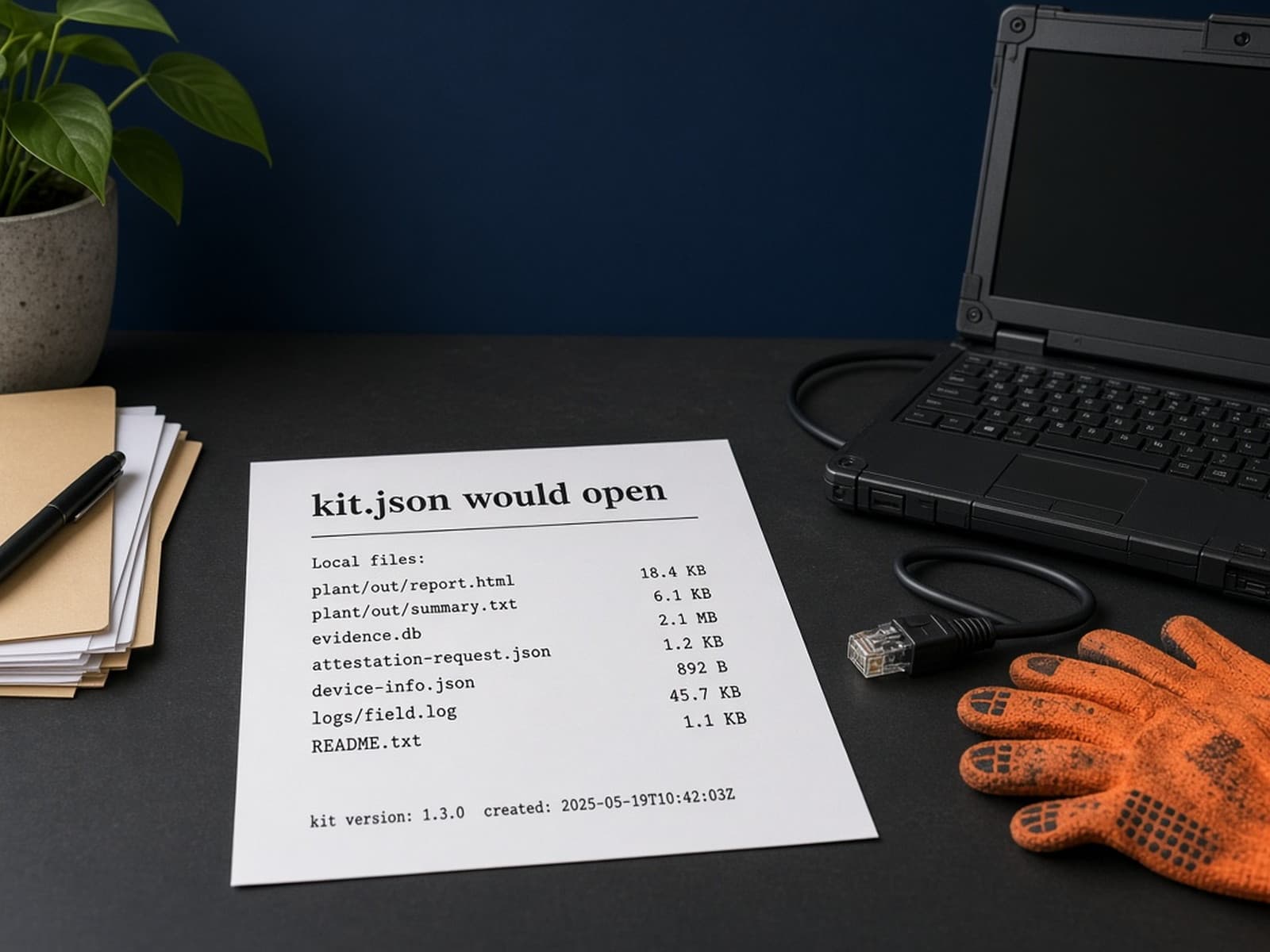
Your ledger, your disk. No account, no API key, no upload. `kit check` lists every file a run would open and touches nothing.
Read the kit guide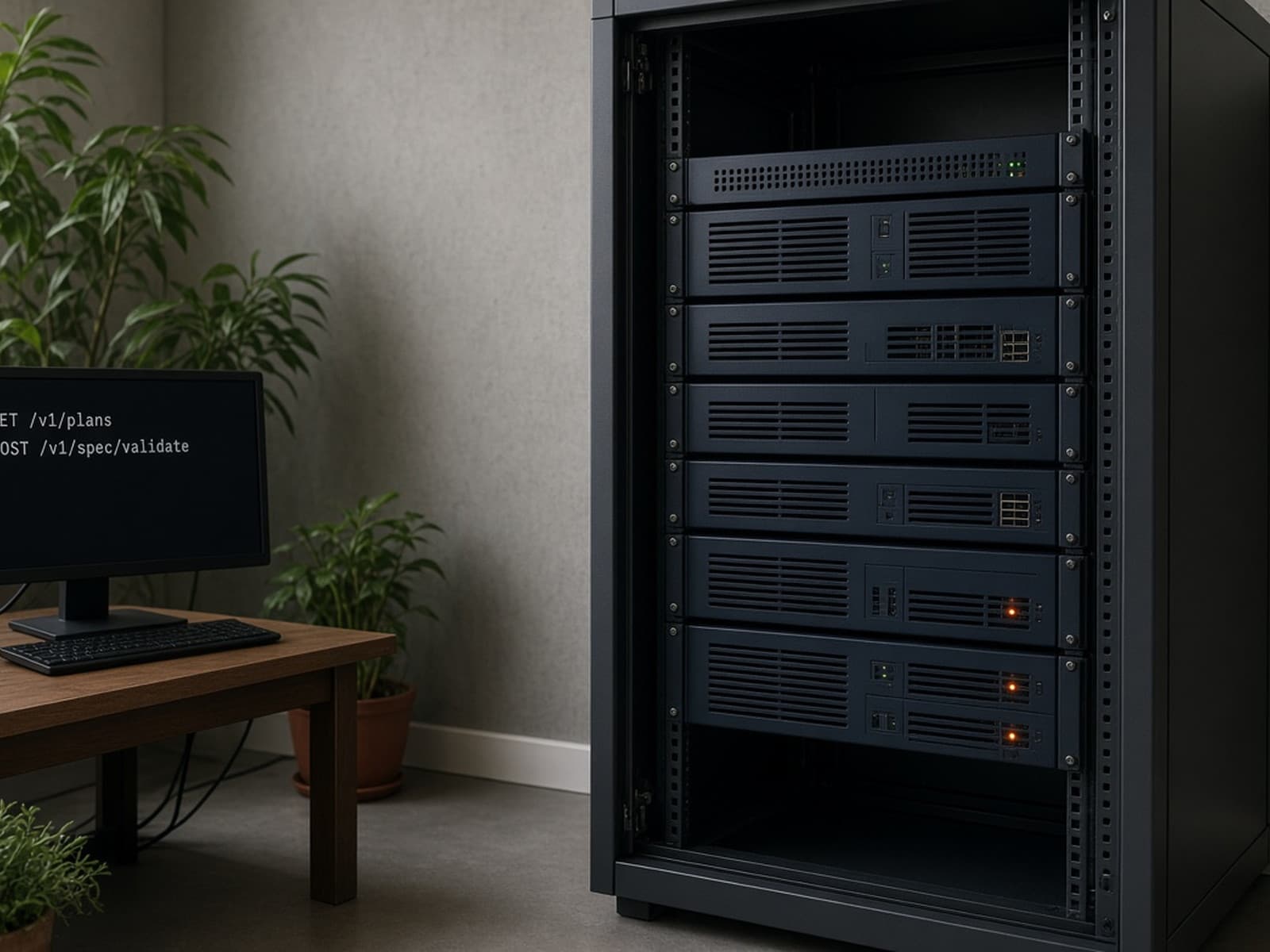
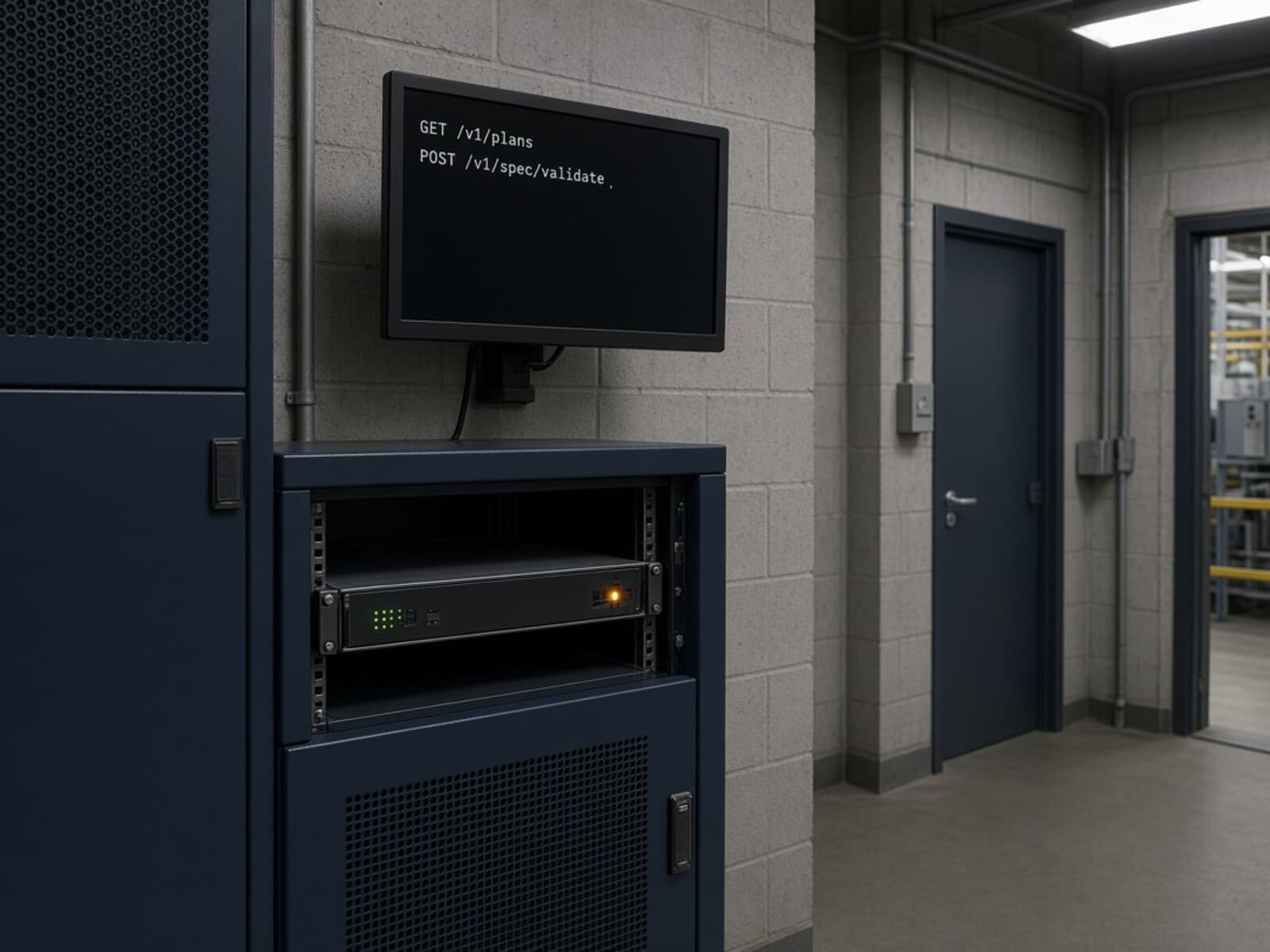
FastAPI surface for billing and entitlements. `GET /v1/plans` returns the pricing table generated from the entitlements the software enforces. Self-host with uvicorn today.
View sourceFive buyers, five reasons the paperwork stopped describing the machine.
You shipped a machine with a Declaration of Conformity, a risk assessment, and a CE mark. Every firmware patch, scanner re-zone, or PLC change since then is a day that Declaration has been quietly less true — and nothing in your process says so.
See the manufacturer pagePlant operatorA safety controller update, a re-zoned scanner, a PLC project patch — often pushed by an integrator or a remote service call you were not in the room for. When something goes wrong, the plant is where the questions land first.
See the plant operator pageCompliance officerCRA Article 14 gives you 24 hours from awareness of an actively exploited vulnerability to file an early warning naming every Member State where the product is available. Getting the clock right, the reasoning right, and the field-5 territory list right, under that pressure, is not a spreadsheet problem.
See the compliance officer pageInsurer / auditorA manufacturer hands you a Declaration of Conformity, an attestation, or a safety verification bundle. Your job is to check whether it is real, current, and internally consistent — and you should not need to buy anything to do it.
See the insurer / auditor pageAI / ops platform teamNeuralBridge is the FastAPI backend, MCP gateway, and connection model the assurance product is built on. If your team is exposing tools to AI agents or wiring up connection state, this is the layer underneath, not a separate pitch.
See the ai / ops platform team pageAssurance tiers are computed from the weakest input, never passed in. If it is not gated in code, it is not on this page — GET /v1/plans returns this same table, generated from the entitlements the software enforces.

Computed from the same limits src/assurance/billing/plans.py enforces — 25 product families and 50 cases/day on Register, machine verification / Annex III / fleet advisory / attestation gated to Cell only. Not a lead-gen guess.
Validator
Free
The free lead magnet. No card, no account required.
Register
€390 / month
The Article 14 register for one manufacturer.
First 10 minutes: open a real Article 14 case, and unlock /ai’s write path (plan → approve → receipt) — with one key, no live checkout required to try it locally (see docs/buyer-journey.md).
Talk to salesCell
€1,290 / month
Everything in Register, for the full cell.
First 10 minutes: open a real Article 14 case, and unlock /ai’s write path (plan → approve → receipt) — with one key, no live checkout required to try it locally (see docs/buyer-journey.md).
Talk to salesThere is also a fourth, unlisted tier — Supplier — for component suppliers who want to publish signed advisories to a hosted feed (POST /v1/supplier/advisory). It has no self-serve price yet, sales-assigned only per ADR-0001: get in touch.
| Capability | Validator | Register | Cell |
|---|---|---|---|
| Free verification (Declaration, manifest, attestation) | ✓ | ✓ | ✓ |
| Article 14 draft validation & calculators | ✓ | ✓ | ✓ |
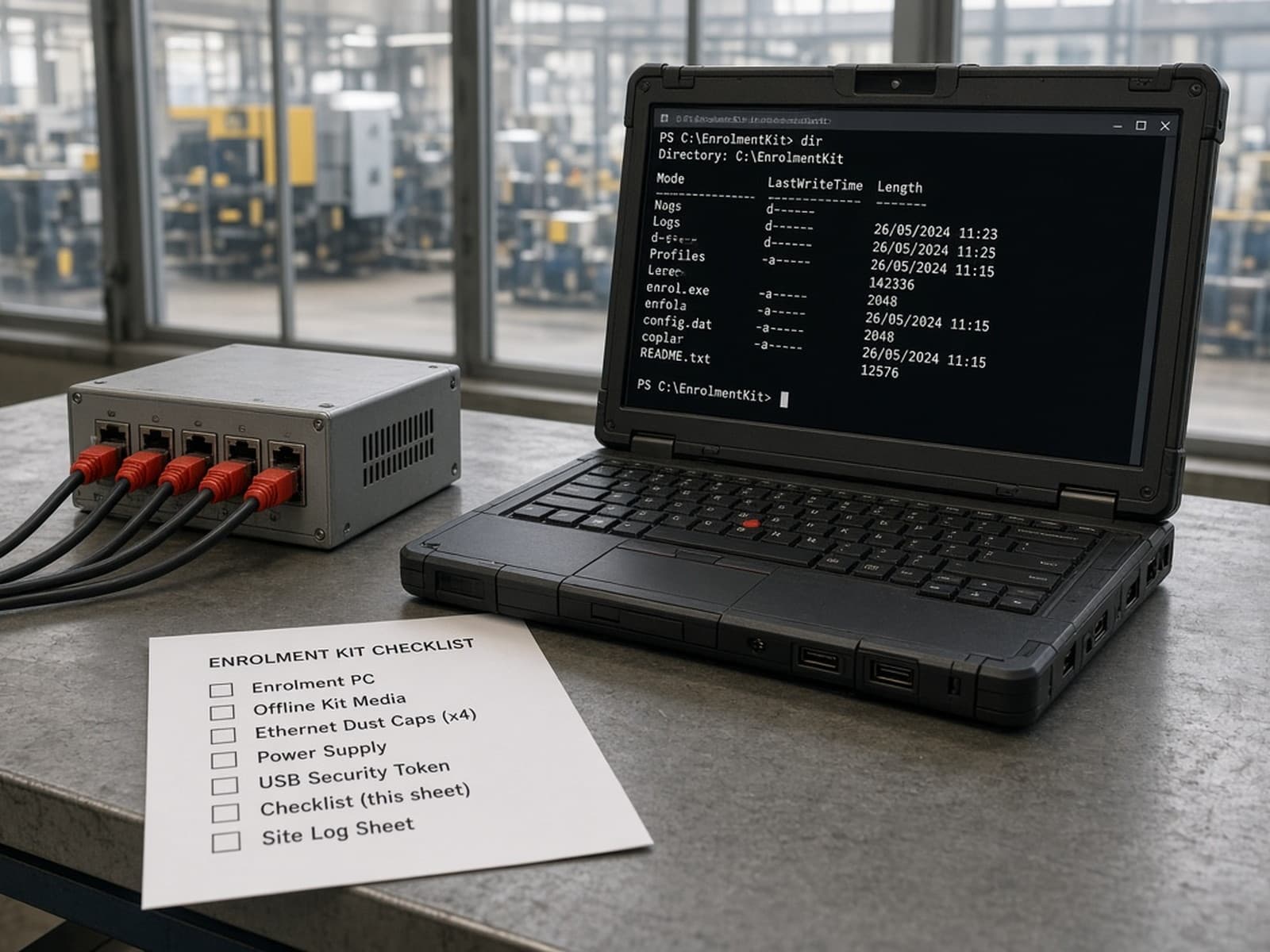
| Offline enrolment kit | ✓ | ✓ | ✓ |
| /ai control plane — discover + read (30/day) | ✓ | ✓ | ✓ |
| /ai control plane — propose-and-approve writes, bind connections, full audit | — | ✓ | ✓ |
| Article 14 register (unlimited cases, both clocks) | — | ✓ | ✓ |
| Hash-chained ledger with verifiable export | — | ✓ | ✓ |
| Machine safety verification | — | — | ✓ |
| Annex III manifests & passports | — | — | ✓ |
| Fleet advisory fan-out | — | — | ✓ |
| Counter-signed head attestation | — | — | ✓ |
The plan cards above render live from GET /v1/plans when this page can reach a deployed API, and fall back to this static table (identical data) otherwise — that is the honest state right now: the billing API is real and tested (POST /v1/checkout refuses a payment it cannot provision rather than faking one, and every register route fails closed with no API keys configured), but it is not deployed to a public endpoint. Deploying it needs outbound access to Fly.io from wherever runs fly deploy, plus live Stripe keys — neither is available in the environment that built this page. See the billing routes and the deploy guide for the exact remaining steps.
A lightweight integration hub: a FastAPI backend, an MCP gateway for AI tool exposure, a small set of supported adapters, and a dashboard. It is intentionally narrower than it once claimed to be.
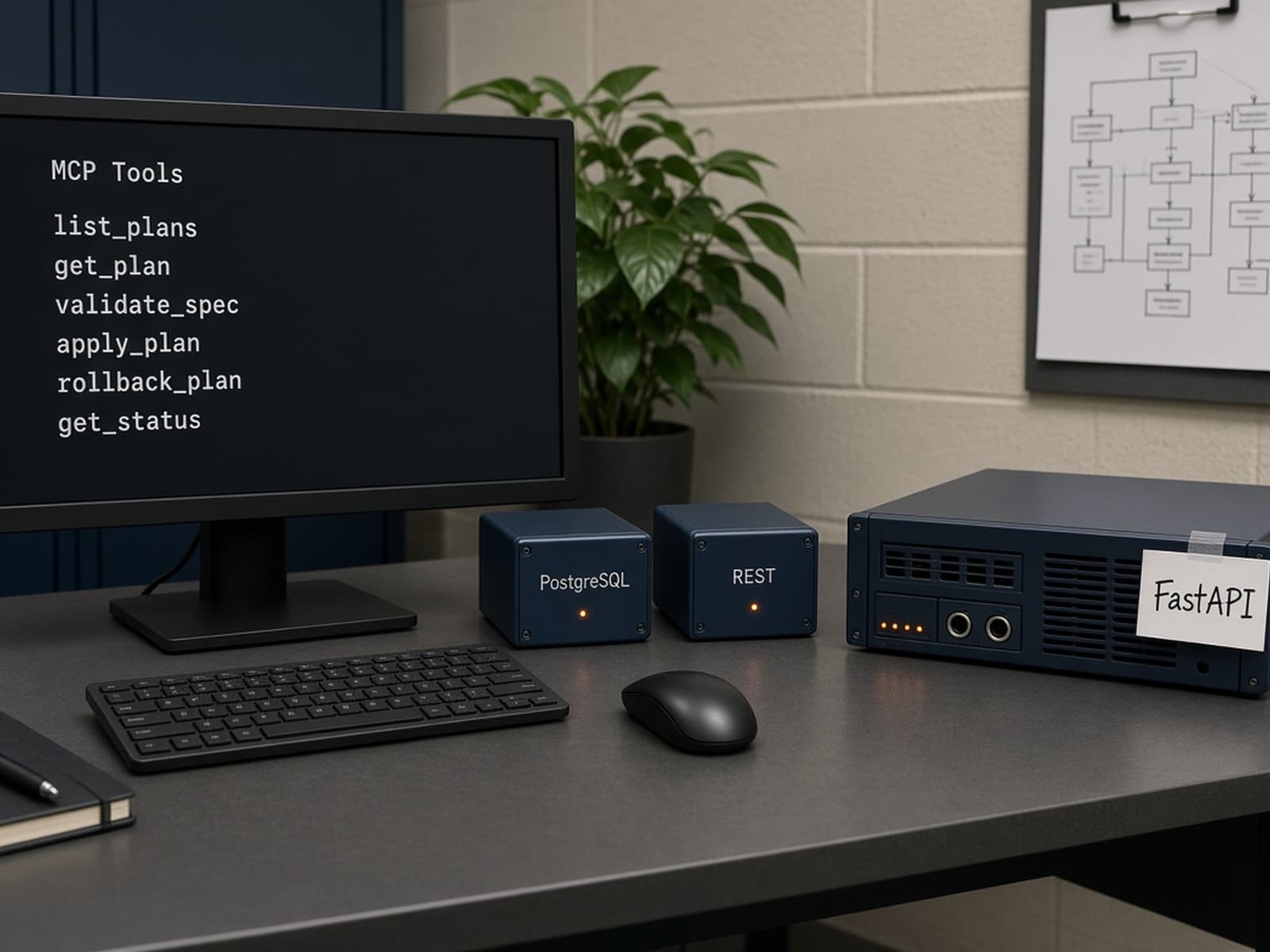
| Area | Current status |
|---|---|
| FastAPI backend | Supported |
| Connection management model | Supported |
| MCP tool listing / invocation | Supported |
| Dashboard foundation | Supported |
| Basic audit trail | Supported |
| Small set of working adapters (PostgreSQL, REST) | Supported |
| Broad adapter ecosystem | Evolving |
| Full enterprise compliance posture | Evolving |
Full detail, including what is not yet claimed, is in the README.
No account, no upload, no procurement cycle to start. The Validator tier runs on your machine today.